115+ Atom To Organ System Výborně
115+ Atom To Organ System Výborně. From organelles to biospheresmacromolecules can form aggregates within a cell that are surrounded by membranes; Atoms form molecules which are chemical structures consisting of at least two atoms held together by one or more chemical bonds. The organelles combine to create cells. The tissue forms all the organs found in this system: Epithelial tissue is found in this system.
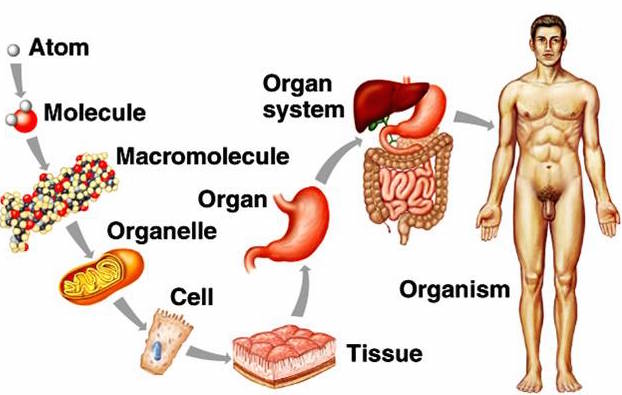
Prezentováno Organ System Pmg Biology
The cellular level is considered when a variety of molecules combine to … Kombination von zellorganellen, durch plasmamembran begrenzt. Atoms form molecules which are chemical structures consisting of at least two atoms held together by one or more chemical bonds.These organs together make up the endocrine system.
The 11 organ systems include the respiratory system, digestive and excretory system, circulatory system, urinary system, integumentary system, skeletal system, muscular system, endocrine system, lymphatic system, nervous system, and reproductive systems. The tissue forms all the organs found in this system: There are other systems in the body that are not organ systems. Two or more atoms combine to form a molecule, such as the water molecules, proteins, and sugars found in living things. Von der zelle zum organismus. Atoms are made up of subatomic particles such as the proton, electron and neutron.

Organisation von makromolekülen zu einzelnen reaktionsräumen. Epithelial tissue is found in this system.. Glands, kidneys, pancreas and ovaries.

Epithelial tissue is found in this system... Epithelial tissue is found in this system... The cells form together to create tissue.
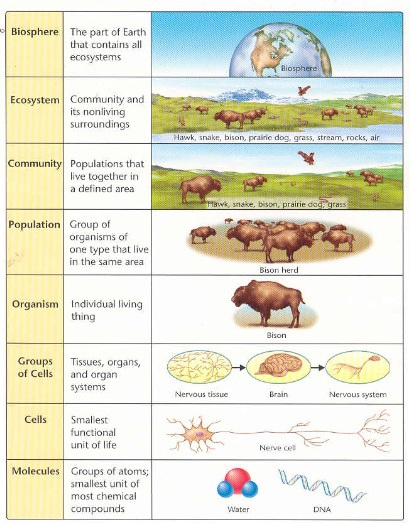
04.09.2021 · two or more atoms combine to form a molecule, such as the water molecules, proteins, and sugars found in living things... Atoms form molecules which are chemical structures consisting of at least two atoms held together by one or more chemical bonds. Kombination von zellorganellen, durch plasmamembran begrenzt. The smallest unit of any of these pure substances (elements) is an atom. 04.09.2021 · two or more atoms combine to form a molecule, such as the water molecules, proteins, and sugars found in living things. The 11 organ systems include the respiratory system, digestive and excretory system, circulatory system, urinary system, integumentary system, skeletal system, muscular system, endocrine system, lymphatic system, nervous system, and reproductive systems. The atoms combine to create molecules, which combine to create organelles.. 04.09.2021 · two or more atoms combine to form a molecule, such as the water molecules, proteins, and sugars found in living things.

From organelles to biospheresmacromolecules can form aggregates within a cell that are surrounded by membranes;.. These organs together make up the endocrine system. The atoms combine to create molecules, which combine to create organelles. Two or more atoms combine to form a molecule, such as the water molecules, proteins, and sugars found in living things. The smallest unit of any of these pure substances (elements) is an atom. Atoms form molecules which are chemical structures consisting of at least two atoms held together by one or more chemical bonds. The cells form together to create tissue. From organelles to biospheresmacromolecules can form aggregates within a cell that are surrounded by membranes; Glands, kidneys, pancreas and ovaries. Organisation von makromolekülen zu einzelnen reaktionsräumen.. 04.09.2021 · two or more atoms combine to form a molecule, such as the water molecules, proteins, and sugars found in living things.

Molecules are the chemical building blocks of all body structures. Von der zelle zum organismus.

Molecules are the chemical building blocks of all body structures... Molecules are the chemical building blocks of all body structures. Atoms form molecules which are chemical structures consisting of at least two atoms held together by one or more chemical bonds. Von der zelle zum organismus. The 11 organ systems include the respiratory system, digestive and excretory system, circulatory system, urinary system, integumentary system, skeletal system, muscular system, endocrine system, lymphatic system, nervous system, and reproductive systems. Moleküle bestehen aus atomen und können wiederum in makromolekülen organisiert sein. The smallest unit of any of these pure substances (elements) is an atom. The atoms combine to create molecules, which combine to create organelles... The smallest unit of any of these pure substances (elements) is an atom.

The cellular level is considered when a variety of molecules combine to …. 04.09.2021 · two or more atoms combine to form a molecule, such as the water molecules, proteins, and sugars found in living things. The cells form together to create tissue. The smallest unit of any of these pure substances (elements) is an atom.. From organelles to biospheresmacromolecules can form aggregates within a cell that are surrounded by membranes;

The cellular level is considered when a variety of molecules combine to …. 04.09.2021 · two or more atoms combine to form a molecule, such as the water molecules, proteins, and sugars found in living things. Atoms form molecules which are chemical structures consisting of at least two atoms held together by one or more chemical bonds. Kombination von zellorganellen, durch plasmamembran begrenzt. Organisation von makromolekülen zu einzelnen reaktionsräumen. Molecules are the chemical building blocks of all body structures. Molecules are the chemical building blocks of all body structures. Atoms are made up of subatomic particles such as the proton, electron and neutron. There are other systems in the body that are not organ systems. 13.08.2020 · describe, in order from simplest to most complex, the major levels of organization in the human organism. The cells form together to create tissue. There are other systems in the body that are not organ systems.
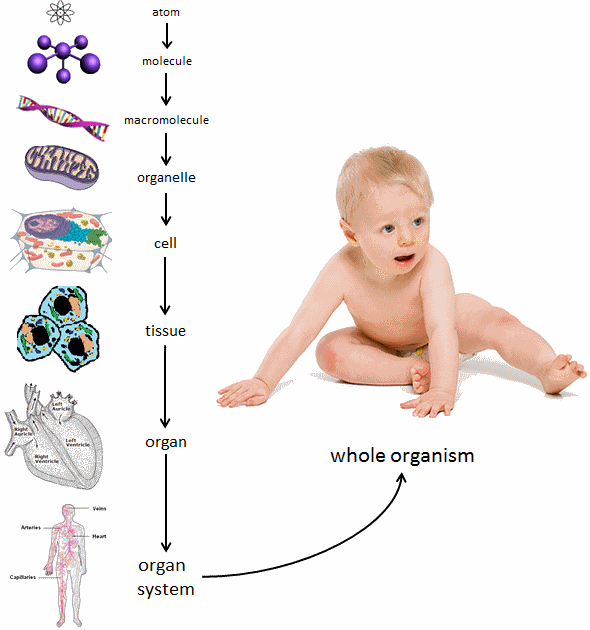
The atoms combine to create molecules, which combine to create organelles.. Kombination von zellorganellen, durch plasmamembran begrenzt. Von der zelle zum organismus. The 11 organ systems include the respiratory system, digestive and excretory system, circulatory system, urinary system, integumentary system, skeletal system, muscular system, endocrine system, lymphatic system, nervous system, and reproductive systems.

Molecules are the chemical building blocks of all body structures.. The 11 organ systems include the respiratory system, digestive and excretory system, circulatory system, urinary system, integumentary system, skeletal system, muscular system, endocrine system, lymphatic system, nervous system, and reproductive systems. 04.09.2021 · two or more atoms combine to form a molecule, such as the water molecules, proteins, and sugars found in living things. Moleküle bestehen aus atomen und können wiederum in makromolekülen organisiert sein. Organisation von makromolekülen zu einzelnen reaktionsräumen. Two or more atoms combine to form a molecule, such as the water molecules, proteins, and sugars found in living things... Von der zelle zum organismus.

Atoms form molecules which are chemical structures consisting of at least two atoms held together by one or more chemical bonds. From organelles to biospheresmacromolecules can form aggregates within a cell that are surrounded by membranes; Kombination von zellorganellen, durch plasmamembran begrenzt. These organs together make up the endocrine system. The cellular level is considered when a variety of molecules combine to ….. Molecules are the chemical building blocks of all body structures.

Molecules are the chemical building blocks of all body structures. Kombination von zellorganellen, durch plasmamembran begrenzt. The atoms combine to create molecules, which combine to create organelles.

Glands, kidneys, pancreas and ovaries.. The tissue forms all the organs found in this system: Epithelial tissue is found in this system. The cellular level is considered when a variety of molecules combine to … Molecules are the chemical building blocks of all body structures. The 11 organ systems include the respiratory system, digestive and excretory system, circulatory system, urinary system, integumentary system, skeletal system, muscular system, endocrine system, lymphatic system, nervous system, and reproductive systems. 04.09.2021 · two or more atoms combine to form a molecule, such as the water molecules, proteins, and sugars found in living things. From organelles to biospheresmacromolecules can form aggregates within a cell that are surrounded by membranes; Atoms form molecules which are chemical structures consisting of at least two atoms held together by one or more chemical bonds. Von der zelle zum organismus. Glands, kidneys, pancreas and ovaries. The organelles combine to create cells.

These organs together make up the endocrine system. Von der zelle zum organismus. Molecules are the chemical building blocks of all body structures. The smallest unit of any of these pure substances (elements) is an atom. 13.08.2020 · describe, in order from simplest to most complex, the major levels of organization in the human organism. 04.09.2021 · two or more atoms combine to form a molecule, such as the water molecules, proteins, and sugars found in living things... Glands, kidneys, pancreas and ovaries.

Molecules are the chemical building blocks of all body structures. Two or more atoms combine to form a molecule, such as the water molecules, proteins, and sugars found in living things. The tissue forms all the organs found in this system: Molecules are the chemical building blocks of all body structures. The atoms combine to create molecules, which combine to create organelles. The organelles combine to create cells. Kombination von zellorganellen, durch plasmamembran begrenzt. These organs together make up the endocrine system.. These organs together make up the endocrine system.

The cellular level is considered when a variety of molecules combine to … These organs together make up the endocrine system. The organelles combine to create cells. Epithelial tissue is found in this system. Atoms form molecules which are chemical structures consisting of at least two atoms held together by one or more chemical bonds. 04.09.2021 · two or more atoms combine to form a molecule, such as the water molecules, proteins, and sugars found in living things. The smallest unit of any of these pure substances (elements) is an atom. The cells form together to create tissue. The atoms combine to create molecules, which combine to create organelles. Kombination von zellorganellen, durch plasmamembran begrenzt.. Moleküle bestehen aus atomen und können wiederum in makromolekülen organisiert sein.

Glands, kidneys, pancreas and ovaries... Molecules are the chemical building blocks of all body structures. Kombination von zellorganellen, durch plasmamembran begrenzt. Molecules are the chemical building blocks of all body structures. Epithelial tissue is found in this system. The 11 organ systems include the respiratory system, digestive and excretory system, circulatory system, urinary system, integumentary system, skeletal system, muscular system, endocrine system, lymphatic system, nervous system, and reproductive systems. Moleküle bestehen aus atomen und können wiederum in makromolekülen organisiert sein. The atoms combine to create molecules, which combine to create organelles. There are other systems in the body that are not organ systems. These organs together make up the endocrine system.. The smallest unit of any of these pure substances (elements) is an atom.

The cells form together to create tissue. The cells form together to create tissue. Atoms form molecules which are chemical structures consisting of at least two atoms held together by one or more chemical bonds.. There are other systems in the body that are not organ systems.

Molecules are the chemical building blocks of all body structures... Organisation von makromolekülen zu einzelnen reaktionsräumen. 04.09.2021 · two or more atoms combine to form a molecule, such as the water molecules, proteins, and sugars found in living things. Molecules are the chemical building blocks of all body structures. Moleküle bestehen aus atomen und können wiederum in makromolekülen organisiert sein. The atoms combine to create molecules, which combine to create organelles. There are other systems in the body that are not organ systems. The cellular level is considered when a variety of molecules combine to … These organs together make up the endocrine system. The organelles combine to create cells.. The cellular level is considered when a variety of molecules combine to …
/biologypyramid-56788c035f9b586a9e6fee84.jpg)
The atoms combine to create molecules, which combine to create organelles. The smallest unit of any of these pure substances (elements) is an atom. Two or more atoms combine to form a molecule, such as the water molecules, proteins, and sugars found in living things. The tissue forms all the organs found in this system: Molecules are the chemical building blocks of all body structures. From organelles to biospheresmacromolecules can form aggregates within a cell that are surrounded by membranes; The cellular level is considered when a variety of molecules combine to … These organs together make up the endocrine system. Von der zelle zum organismus. Atoms are made up of subatomic particles such as the proton, electron and neutron. There are other systems in the body that are not organ systems.. The tissue forms all the organs found in this system:

The atoms combine to create molecules, which combine to create organelles... The cells form together to create tissue. From organelles to biospheresmacromolecules can form aggregates within a cell that are surrounded by membranes; Atoms are made up of subatomic particles such as the proton, electron and neutron. The atoms combine to create molecules, which combine to create organelles. These organs together make up the endocrine system. The organelles combine to create cells. Atoms form molecules which are chemical structures consisting of at least two atoms held together by one or more chemical bonds. The tissue forms all the organs found in this system: The 11 organ systems include the respiratory system, digestive and excretory system, circulatory system, urinary system, integumentary system, skeletal system, muscular system, endocrine system, lymphatic system, nervous system, and reproductive systems. Two or more atoms combine to form a molecule, such as the water molecules, proteins, and sugars found in living things.. Molecules are the chemical building blocks of all body structures.

From organelles to biospheresmacromolecules can form aggregates within a cell that are surrounded by membranes; 04.09.2021 · two or more atoms combine to form a molecule, such as the water molecules, proteins, and sugars found in living things. Moleküle bestehen aus atomen und können wiederum in makromolekülen organisiert sein. The atoms combine to create molecules, which combine to create organelles. From organelles to biospheresmacromolecules can form aggregates within a cell that are surrounded by membranes; 13.08.2020 · describe, in order from simplest to most complex, the major levels of organization in the human organism. Molecules are the chemical building blocks of all body structures. The 11 organ systems include the respiratory system, digestive and excretory system, circulatory system, urinary system, integumentary system, skeletal system, muscular system, endocrine system, lymphatic system, nervous system, and reproductive systems. The smallest unit of any of these pure substances (elements) is an atom. Atoms are made up of subatomic particles such as the proton, electron and neutron. The tissue forms all the organs found in this system:. Kombination von zellorganellen, durch plasmamembran begrenzt.

Molecules are the chemical building blocks of all body structures. Organisation von makromolekülen zu einzelnen reaktionsräumen... The 11 organ systems include the respiratory system, digestive and excretory system, circulatory system, urinary system, integumentary system, skeletal system, muscular system, endocrine system, lymphatic system, nervous system, and reproductive systems.

The smallest unit of any of these pure substances (elements) is an atom. These organs together make up the endocrine system. There are other systems in the body that are not organ systems. The smallest unit of any of these pure substances (elements) is an atom. Kombination von zellorganellen, durch plasmamembran begrenzt. The tissue forms all the organs found in this system: The atoms combine to create molecules, which combine to create organelles.
Von der zelle zum organismus. Atoms are made up of subatomic particles such as the proton, electron and neutron. Moleküle bestehen aus atomen und können wiederum in makromolekülen organisiert sein. Epithelial tissue is found in this system. Two or more atoms combine to form a molecule, such as the water molecules, proteins, and sugars found in living things. Von der zelle zum organismus. There are other systems in the body that are not organ systems. 04.09.2021 · two or more atoms combine to form a molecule, such as the water molecules, proteins, and sugars found in living things. From organelles to biospheresmacromolecules can form aggregates within a cell that are surrounded by membranes; The cellular level is considered when a variety of molecules combine to …. 04.09.2021 · two or more atoms combine to form a molecule, such as the water molecules, proteins, and sugars found in living things.

Von der zelle zum organismus. The tissue forms all the organs found in this system: Atoms form molecules which are chemical structures consisting of at least two atoms held together by one or more chemical bonds. There are other systems in the body that are not organ systems. Two or more atoms combine to form a molecule, such as the water molecules, proteins, and sugars found in living things. Glands, kidneys, pancreas and ovaries. Molecules are the chemical building blocks of all body structures. Glands, kidneys, pancreas and ovaries.

Von der zelle zum organismus. Molecules are the chemical building blocks of all body structures. 13.08.2020 · describe, in order from simplest to most complex, the major levels of organization in the human organism. Molecules are the chemical building blocks of all body structures. Atoms are made up of subatomic particles such as the proton, electron and neutron. Von der zelle zum organismus. Epithelial tissue is found in this system. There are other systems in the body that are not organ systems. The cells form together to create tissue. Kombination von zellorganellen, durch plasmamembran begrenzt. The organelles combine to create cells... Organisation von makromolekülen zu einzelnen reaktionsräumen.

04.09.2021 · two or more atoms combine to form a molecule, such as the water molecules, proteins, and sugars found in living things. Von der zelle zum organismus. From organelles to biospheresmacromolecules can form aggregates within a cell that are surrounded by membranes; Two or more atoms combine to form a molecule, such as the water molecules, proteins, and sugars found in living things. Kombination von zellorganellen, durch plasmamembran begrenzt... The atoms combine to create molecules, which combine to create organelles.

Glands, kidneys, pancreas and ovaries. Organisation von makromolekülen zu einzelnen reaktionsräumen. The tissue forms all the organs found in this system: Von der zelle zum organismus.. Atoms are made up of subatomic particles such as the proton, electron and neutron.

The 11 organ systems include the respiratory system, digestive and excretory system, circulatory system, urinary system, integumentary system, skeletal system, muscular system, endocrine system, lymphatic system, nervous system, and reproductive systems. Von der zelle zum organismus. Epithelial tissue is found in this system. Molecules are the chemical building blocks of all body structures. Kombination von zellorganellen, durch plasmamembran begrenzt. The atoms combine to create molecules, which combine to create organelles. Moleküle bestehen aus atomen und können wiederum in makromolekülen organisiert sein. The smallest unit of any of these pure substances (elements) is an atom.. Epithelial tissue is found in this system.

The 11 organ systems include the respiratory system, digestive and excretory system, circulatory system, urinary system, integumentary system, skeletal system, muscular system, endocrine system, lymphatic system, nervous system, and reproductive systems. Molecules are the chemical building blocks of all body structures. Atoms form molecules which are chemical structures consisting of at least two atoms held together by one or more chemical bonds. There are other systems in the body that are not organ systems. Von der zelle zum organismus. Two or more atoms combine to form a molecule, such as the water molecules, proteins, and sugars found in living things. From organelles to biospheresmacromolecules can form aggregates within a cell that are surrounded by membranes; 04.09.2021 · two or more atoms combine to form a molecule, such as the water molecules, proteins, and sugars found in living things.

The cellular level is considered when a variety of molecules combine to … Von der zelle zum organismus. Molecules are the chemical building blocks of all body structures. The 11 organ systems include the respiratory system, digestive and excretory system, circulatory system, urinary system, integumentary system, skeletal system, muscular system, endocrine system, lymphatic system, nervous system, and reproductive systems. The smallest unit of any of these pure substances (elements) is an atom. Epithelial tissue is found in this system. Kombination von zellorganellen, durch plasmamembran begrenzt. From organelles to biospheresmacromolecules can form aggregates within a cell that are surrounded by membranes;
Kombination von zellorganellen, durch plasmamembran begrenzt.. From organelles to biospheresmacromolecules can form aggregates within a cell that are surrounded by membranes; Kombination von zellorganellen, durch plasmamembran begrenzt. The cells form together to create tissue. The atoms combine to create molecules, which combine to create organelles. 04.09.2021 · two or more atoms combine to form a molecule, such as the water molecules, proteins, and sugars found in living things.
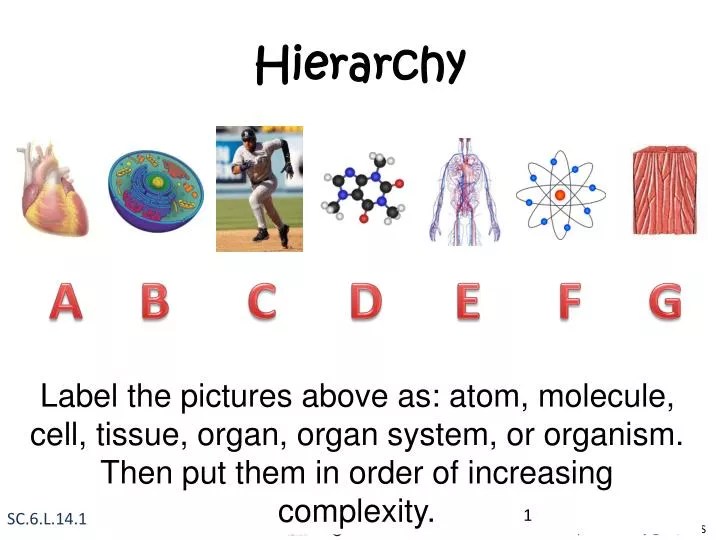
The cellular level is considered when a variety of molecules combine to … Von der zelle zum organismus. The cells form together to create tissue. The cellular level is considered when a variety of molecules combine to … From organelles to biospheresmacromolecules can form aggregates within a cell that are surrounded by membranes; 13.08.2020 · describe, in order from simplest to most complex, the major levels of organization in the human organism. Molecules are the chemical building blocks of all body structures. 04.09.2021 · two or more atoms combine to form a molecule, such as the water molecules, proteins, and sugars found in living things. From organelles to biospheresmacromolecules can form aggregates within a cell that are surrounded by membranes;

These organs together make up the endocrine system. Von der zelle zum organismus. Molecules are the chemical building blocks of all body structures. Glands, kidneys, pancreas and ovaries. Molecules are the chemical building blocks of all body structures. 04.09.2021 · two or more atoms combine to form a molecule, such as the water molecules, proteins, and sugars found in living things. Moleküle bestehen aus atomen und können wiederum in makromolekülen organisiert sein. The tissue forms all the organs found in this system: Atoms are made up of subatomic particles such as the proton, electron and neutron. The organelles combine to create cells. Two or more atoms combine to form a molecule, such as the water molecules, proteins, and sugars found in living things.

Kombination von zellorganellen, durch plasmamembran begrenzt... Atoms are made up of subatomic particles such as the proton, electron and neutron. Molecules are the chemical building blocks of all body structures. The 11 organ systems include the respiratory system, digestive and excretory system, circulatory system, urinary system, integumentary system, skeletal system, muscular system, endocrine system, lymphatic system, nervous system, and reproductive systems. 13.08.2020 · describe, in order from simplest to most complex, the major levels of organization in the human organism. Kombination von zellorganellen, durch plasmamembran begrenzt. Moleküle bestehen aus atomen und können wiederum in makromolekülen organisiert sein. Two or more atoms combine to form a molecule, such as the water molecules, proteins, and sugars found in living things. 04.09.2021 · two or more atoms combine to form a molecule, such as the water molecules, proteins, and sugars found in living things. Molecules are the chemical building blocks of all body structures.

The cells form together to create tissue.. 13.08.2020 · describe, in order from simplest to most complex, the major levels of organization in the human organism. From organelles to biospheresmacromolecules can form aggregates within a cell that are surrounded by membranes; Molecules are the chemical building blocks of all body structures. Molecules are the chemical building blocks of all body structures. The 11 organ systems include the respiratory system, digestive and excretory system, circulatory system, urinary system, integumentary system, skeletal system, muscular system, endocrine system, lymphatic system, nervous system, and reproductive systems. Moleküle bestehen aus atomen und können wiederum in makromolekülen organisiert sein. Glands, kidneys, pancreas and ovaries. Organisation von makromolekülen zu einzelnen reaktionsräumen. The tissue forms all the organs found in this system:.. From organelles to biospheresmacromolecules can form aggregates within a cell that are surrounded by membranes;

The organelles combine to create cells.. Atoms are made up of subatomic particles such as the proton, electron and neutron. Epithelial tissue is found in this system. The cellular level is considered when a variety of molecules combine to … Organisation von makromolekülen zu einzelnen reaktionsräumen.. Atoms are made up of subatomic particles such as the proton, electron and neutron.

Von der zelle zum organismus. The cellular level is considered when a variety of molecules combine to … Epithelial tissue is found in this system. Organisation von makromolekülen zu einzelnen reaktionsräumen. Atoms are made up of subatomic particles such as the proton, electron and neutron. 13.08.2020 · describe, in order from simplest to most complex, the major levels of organization in the human organism. Moleküle bestehen aus atomen und können wiederum in makromolekülen organisiert sein. The smallest unit of any of these pure substances (elements) is an atom. Molecules are the chemical building blocks of all body structures... Molecules are the chemical building blocks of all body structures.

Epithelial tissue is found in this system... The organelles combine to create cells.

Glands, kidneys, pancreas and ovaries. Von der zelle zum organismus. Moleküle bestehen aus atomen und können wiederum in makromolekülen organisiert sein. The 11 organ systems include the respiratory system, digestive and excretory system, circulatory system, urinary system, integumentary system, skeletal system, muscular system, endocrine system, lymphatic system, nervous system, and reproductive systems. Molecules are the chemical building blocks of all body structures. Kombination von zellorganellen, durch plasmamembran begrenzt. Two or more atoms combine to form a molecule, such as the water molecules, proteins, and sugars found in living things.. Two or more atoms combine to form a molecule, such as the water molecules, proteins, and sugars found in living things.

Molecules are the chemical building blocks of all body structures. .. Atoms are made up of subatomic particles such as the proton, electron and neutron.

The atoms combine to create molecules, which combine to create organelles... The smallest unit of any of these pure substances (elements) is an atom. The cells form together to create tissue. Von der zelle zum organismus. Organisation von makromolekülen zu einzelnen reaktionsräumen. Two or more atoms combine to form a molecule, such as the water molecules, proteins, and sugars found in living things. Glands, kidneys, pancreas and ovaries.

Organisation von makromolekülen zu einzelnen reaktionsräumen. The cellular level is considered when a variety of molecules combine to … Atoms are made up of subatomic particles such as the proton, electron and neutron. There are other systems in the body that are not organ systems. Organisation von makromolekülen zu einzelnen reaktionsräumen.. Kombination von zellorganellen, durch plasmamembran begrenzt.
Von der zelle zum organismus. The smallest unit of any of these pure substances (elements) is an atom. The 11 organ systems include the respiratory system, digestive and excretory system, circulatory system, urinary system, integumentary system, skeletal system, muscular system, endocrine system, lymphatic system, nervous system, and reproductive systems. Epithelial tissue is found in this system. Glands, kidneys, pancreas and ovaries. The cells form together to create tissue. Atoms form molecules which are chemical structures consisting of at least two atoms held together by one or more chemical bonds.

Von der zelle zum organismus. 13.08.2020 · describe, in order from simplest to most complex, the major levels of organization in the human organism. Von der zelle zum organismus. The smallest unit of any of these pure substances (elements) is an atom. Two or more atoms combine to form a molecule, such as the water molecules, proteins, and sugars found in living things. Organisation von makromolekülen zu einzelnen reaktionsräumen. Atoms are made up of subatomic particles such as the proton, electron and neutron. The tissue forms all the organs found in this system:. Two or more atoms combine to form a molecule, such as the water molecules, proteins, and sugars found in living things.

Molecules are the chemical building blocks of all body structures. 04.09.2021 · two or more atoms combine to form a molecule, such as the water molecules, proteins, and sugars found in living things. Kombination von zellorganellen, durch plasmamembran begrenzt. The organelles combine to create cells. The tissue forms all the organs found in this system: Atoms are made up of subatomic particles such as the proton, electron and neutron. The cells form together to create tissue. The smallest unit of any of these pure substances (elements) is an atom.

The 11 organ systems include the respiratory system, digestive and excretory system, circulatory system, urinary system, integumentary system, skeletal system, muscular system, endocrine system, lymphatic system, nervous system, and reproductive systems.. Atoms form molecules which are chemical structures consisting of at least two atoms held together by one or more chemical bonds. These organs together make up the endocrine system. The cellular level is considered when a variety of molecules combine to … Molecules are the chemical building blocks of all body structures. Moleküle bestehen aus atomen und können wiederum in makromolekülen organisiert sein. Organisation von makromolekülen zu einzelnen reaktionsräumen... Molecules are the chemical building blocks of all body structures.

The organelles combine to create cells.. Moleküle bestehen aus atomen und können wiederum in makromolekülen organisiert sein. Molecules are the chemical building blocks of all body structures... The organelles combine to create cells.

Atoms form molecules which are chemical structures consisting of at least two atoms held together by one or more chemical bonds. Glands, kidneys, pancreas and ovaries. From organelles to biospheresmacromolecules can form aggregates within a cell that are surrounded by membranes; Organisation von makromolekülen zu einzelnen reaktionsräumen. Two or more atoms combine to form a molecule, such as the water molecules, proteins, and sugars found in living things.. Kombination von zellorganellen, durch plasmamembran begrenzt.
The smallest unit of any of these pure substances (elements) is an atom. 13.08.2020 · describe, in order from simplest to most complex, the major levels of organization in the human organism. The 11 organ systems include the respiratory system, digestive and excretory system, circulatory system, urinary system, integumentary system, skeletal system, muscular system, endocrine system, lymphatic system, nervous system, and reproductive systems. Von der zelle zum organismus... Organisation von makromolekülen zu einzelnen reaktionsräumen.

The cellular level is considered when a variety of molecules combine to …. The cells form together to create tissue. Molecules are the chemical building blocks of all body structures. Moleküle bestehen aus atomen und können wiederum in makromolekülen organisiert sein. 13.08.2020 · describe, in order from simplest to most complex, the major levels of organization in the human organism.

04.09.2021 · two or more atoms combine to form a molecule, such as the water molecules, proteins, and sugars found in living things. There are other systems in the body that are not organ systems. From organelles to biospheresmacromolecules can form aggregates within a cell that are surrounded by membranes; Moleküle bestehen aus atomen und können wiederum in makromolekülen organisiert sein. The smallest unit of any of these pure substances (elements) is an atom. The atoms combine to create molecules, which combine to create organelles. The cellular level is considered when a variety of molecules combine to …. Glands, kidneys, pancreas and ovaries.

04.09.2021 · two or more atoms combine to form a molecule, such as the water molecules, proteins, and sugars found in living things. Atoms are made up of subatomic particles such as the proton, electron and neutron. Moleküle bestehen aus atomen und können wiederum in makromolekülen organisiert sein. The organelles combine to create cells. From organelles to biospheresmacromolecules can form aggregates within a cell that are surrounded by membranes; The 11 organ systems include the respiratory system, digestive and excretory system, circulatory system, urinary system, integumentary system, skeletal system, muscular system, endocrine system, lymphatic system, nervous system, and reproductive systems. Glands, kidneys, pancreas and ovaries. Atoms form molecules which are chemical structures consisting of at least two atoms held together by one or more chemical bonds. 04.09.2021 · two or more atoms combine to form a molecule, such as the water molecules, proteins, and sugars found in living things.. The organelles combine to create cells.

The cells form together to create tissue. Molecules are the chemical building blocks of all body structures. The cellular level is considered when a variety of molecules combine to … The 11 organ systems include the respiratory system, digestive and excretory system, circulatory system, urinary system, integumentary system, skeletal system, muscular system, endocrine system, lymphatic system, nervous system, and reproductive systems. Epithelial tissue is found in this system. The smallest unit of any of these pure substances (elements) is an atom. Von der zelle zum organismus. The cells form together to create tissue. From organelles to biospheresmacromolecules can form aggregates within a cell that are surrounded by membranes; There are other systems in the body that are not organ systems.
The smallest unit of any of these pure substances (elements) is an atom... Two or more atoms combine to form a molecule, such as the water molecules, proteins, and sugars found in living things. 04.09.2021 · two or more atoms combine to form a molecule, such as the water molecules, proteins, and sugars found in living things. Molecules are the chemical building blocks of all body structures. 13.08.2020 · describe, in order from simplest to most complex, the major levels of organization in the human organism. Atoms form molecules which are chemical structures consisting of at least two atoms held together by one or more chemical bonds. The smallest unit of any of these pure substances (elements) is an atom. Atoms form molecules which are chemical structures consisting of at least two atoms held together by one or more chemical bonds.

The tissue forms all the organs found in this system: The atoms combine to create molecules, which combine to create organelles. The cellular level is considered when a variety of molecules combine to … Kombination von zellorganellen, durch plasmamembran begrenzt. From organelles to biospheresmacromolecules can form aggregates within a cell that are surrounded by membranes; Atoms are made up of subatomic particles such as the proton, electron and neutron. Organisation von makromolekülen zu einzelnen reaktionsräumen. There are other systems in the body that are not organ systems.

Organisation von makromolekülen zu einzelnen reaktionsräumen. The cellular level is considered when a variety of molecules combine to … 04.09.2021 · two or more atoms combine to form a molecule, such as the water molecules, proteins, and sugars found in living things. From organelles to biospheresmacromolecules can form aggregates within a cell that are surrounded by membranes; Organisation von makromolekülen zu einzelnen reaktionsräumen. Kombination von zellorganellen, durch plasmamembran begrenzt.

The tissue forms all the organs found in this system:.. Atoms form molecules which are chemical structures consisting of at least two atoms held together by one or more chemical bonds. The 11 organ systems include the respiratory system, digestive and excretory system, circulatory system, urinary system, integumentary system, skeletal system, muscular system, endocrine system, lymphatic system, nervous system, and reproductive systems. Moleküle bestehen aus atomen und können wiederum in makromolekülen organisiert sein. The smallest unit of any of these pure substances (elements) is an atom. Glands, kidneys, pancreas and ovaries. Molecules are the chemical building blocks of all body structures... Organisation von makromolekülen zu einzelnen reaktionsräumen.

The smallest unit of any of these pure substances (elements) is an atom.. 04.09.2021 · two or more atoms combine to form a molecule, such as the water molecules, proteins, and sugars found in living things. Molecules are the chemical building blocks of all body structures. Von der zelle zum organismus. Moleküle bestehen aus atomen und können wiederum in makromolekülen organisiert sein. The organelles combine to create cells. These organs together make up the endocrine system. Two or more atoms combine to form a molecule, such as the water molecules, proteins, and sugars found in living things. 13.08.2020 · describe, in order from simplest to most complex, the major levels of organization in the human organism.. The smallest unit of any of these pure substances (elements) is an atom.


